How we installed a reliable CCTV system using AXIS cameras and Blue Iris recording software, while working around a customer's budget, difficult cable routes and the homeowner's requirements.
Every property is different, and a successful CCTV installation needs to account for more than just where to position the cameras.
For this residential project, our customer wanted improved security around his home but had a limited budget and several important requirements. In particular, he wanted to avoid unnecessary drilling and visible cables in the rooms he regularly used.
We designed the installation in two phases. The first focused on CCTV coverage at the rear of the property and establishing a reliable recording system. The second, planned for spring, will extend coverage to the front of the house.
This allowed us to provide a working security solution while spreading the cost of the project.
The first phase is now installed, configured and operational.
The homeowner can view live footage of the rear garden from his mobile phone, whether at home or away, provided the home's internet connection and network equipment are functioning.
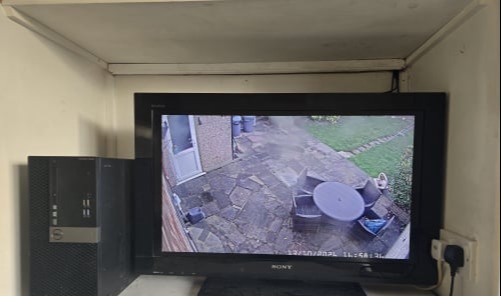
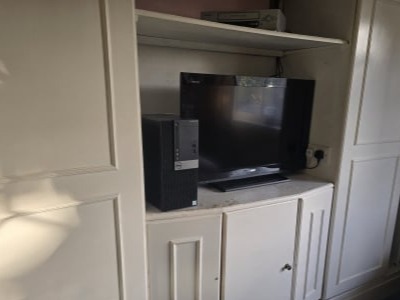
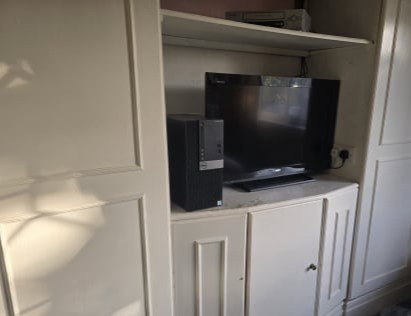
He can also review recorded footage, receive configured activity notifications and check the camera feed using the dedicated CCTV monitoring computer.
Recordings are stored on a 2TB surveillance hard drive, with additional on-camera SD card recording available.
The system has been configured and tested, giving the homeowner a practical way to monitor activity around the rear of his property.
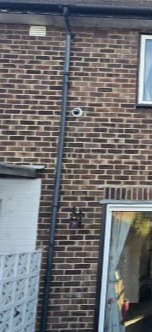
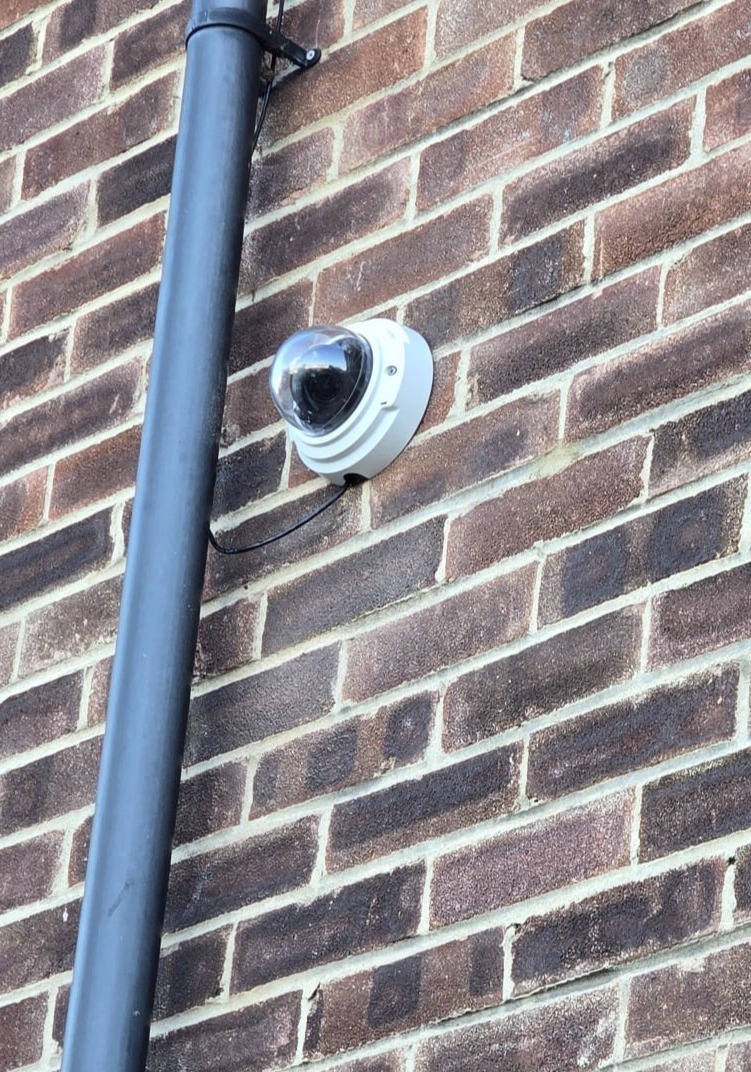
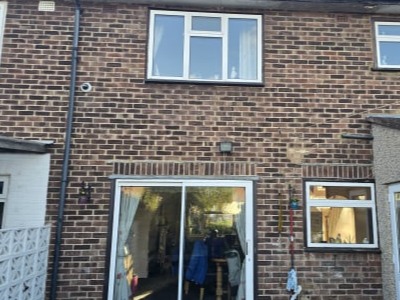
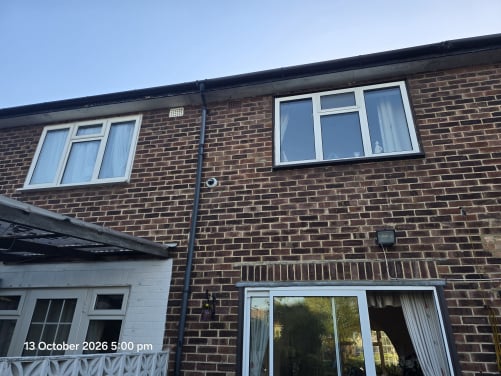
We installed an AXIS Communications dome camera on the exterior brickwork beneath an upstairs window, providing a view across the rear patio and garden.
Secure mounting was a priority. We selected a suitable masonry drill bit, correctly sized wall plugs and matching screws to ensure the camera was firmly fixed to the brickwork.
We then carefully routed and clipped the camera cable towards the nearby drainpipe, keeping the external installation neat and discreet.
Routing the cable through the loft was one of the main installation challenges.
The loft had limited boarding, restricted access and obstacles including a water tank and aerial equipment. These meant we had to take a longer, less direct cable route.
The homeowner was understandably concerned about potential damage to the ceiling.
To protect the property, we used crawl boards supported by the loft's structural members and took care to avoid placing weight on unsupported ceiling areas.
We also made use of existing cable routes wherever possible, carefully enlarging an existing opening in an unused upstairs room rather than creating unnecessary new holes. The cable entered through the soffit, and the opening was sealed after installation.
The work was completed successfully without damage to the ceiling or surrounding property.
Another challenge was connecting the upstairs CCTV recording equipment to the homeowner's downstairs internet router.
Normally, we recommend a direct Ethernet cable for CCTV networking because wired connections generally offer the most dependable performance.
However, the homeowner specifically wanted to avoid drilling or running cables through his main living areas.
To accommodate this, we installed a high-quality Wi-Fi extender with an Ethernet port, connecting the upstairs CCTV equipment to the existing home network without additional cabling downstairs.
Although a wired connection remains our preferred approach, the wireless solution has performed reliably in this property. We tested the connection and confirmed that the system was working correctly.
The cameras and recording computer communicate over a local network, meaning that a temporary loss of the wireless link to the router does not automatically interrupt local recording, provided the local equipment remains powered and connected.
This was a practical alternative that met the customer's requirements while maintaining a functioning CCTV system.
We wanted a recording solution that was compatible with AXIS cameras and capable of supporting future expansion.
After considering dedicated Network Video Recorders (NVRs) and manufacturer-specific systems, we selected Blue Iris CCTV recording software, running on a Dell OptiPlex computer.
Blue Iris supports a wide range of compatible IP cameras, providing flexibility when adding equipment in the future.
We configured the computer with separate storage for its operating system and a dedicated 2TB surveillance hard drive for CCTV recordings.
The installed camera also has an SD card for additional local recording, commonly known as edge recording.
This setup provided the recording capabilities we needed at a lower cost than the alternative recording package we had considered, while leaving room for future upgrades.
The next phase, planned for spring, will introduce three additional cameras:
A PTZ camera at the front right, allowing the camera's direction and zoom to be adjusted.
A fixed dome camera at the front left, monitoring the driveway.
A panoramic fisheye camera in the porch, providing wide-angle coverage of the entrance.
Once installed and configured, these cameras are intended to help the homeowner monitor visitors, deliveries, the driveway and front garden alongside the existing rear coverage.
The recording system was selected with this expansion in mind.
We provide a 30-day installation aftercare period. If an issue arises because of our installation work, we will investigate and put it right at no additional cost. Equipment faults can also be assessed, with the appropriate remedy determined according to the cause and applicable warranty arrangements.
Issues caused by customer interference or circumstances outside our installation work may incur a call-out charge.
Our aim is to provide customers with both a properly installed system and confidence in the work we've carried out.
From securely mounting the camera and protecting the property during loft work to selecting affordable recording equipment and finding an alternative networking solution, we designed the installation around the homeowner's needs.
We believe a good CCTV installer should do more than simply fit cameras. They should understand the property, explain the available options and find a solution that works for the customer.
Contact Us